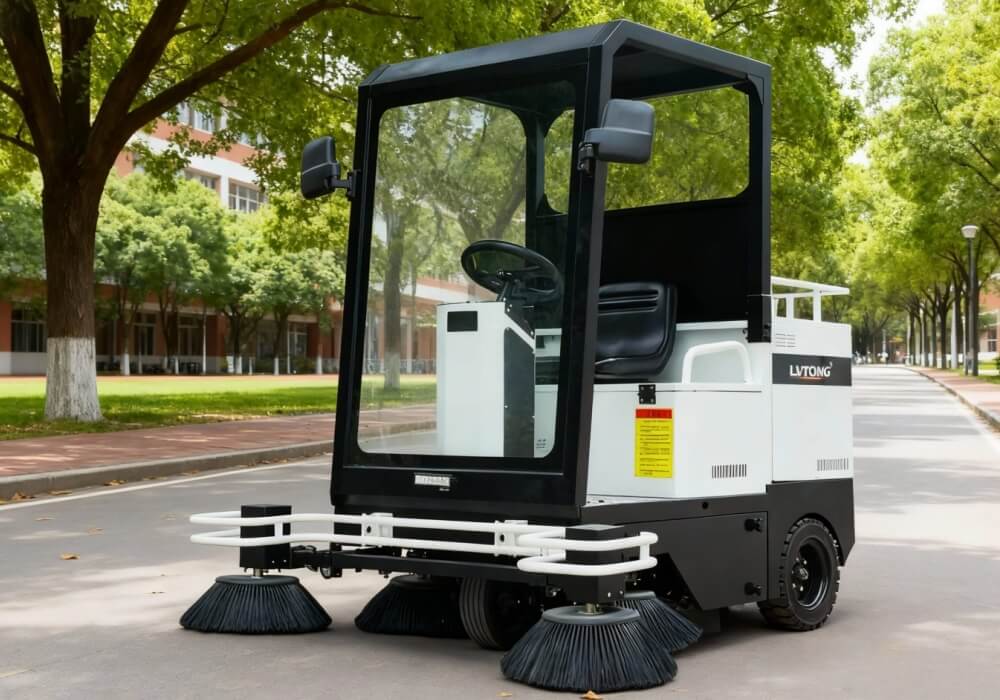
A well-organized cleaning program for loading docks and distribution centers can reduce dust accumulation, improve floor safety, and lower equipment maintenance needs. Facilities handling 500–1,000 shipments daily often require scheduled sweeping, scrubbing, and inspection cycles. Using suitable machines such as industrial sweepers and a floor scrubber for logistics warehouse areas can reduce cleaning labor by 30–40% while maintaining consistent floor conditions.
Loading docks are among the highest-contamination areas in a distribution facility because they connect outdoor traffic with indoor operations. Trucks, trailers, pallets, and forklifts introduce soil, moisture, rubber particles, cardboard fibers, and oil residue every day. Research from industrial workplace studies shows that entrance areas can collect approximately 70–80% of tracked-in dirt within the first few meters from exterior doors.
The first cleaning step is removing dry debris before it becomes compressed into the floor surface. Dust mixed with moisture can form a harder layer that requires more time and chemical use to remove. Facilities operating 16–24 hours per day usually need several cleaning cycles instead of a single daily cleaning period.
“Regular removal of loose particles helps maintain cleaner floors and reduces the amount of abrasive material reaching forklifts, wheels, and mechanical parts.”
Different areas inside a logistics center require different cleaning frequencies. Shipping lanes, dock platforms, and forklift routes experience higher traffic than storage aisles. A 100,000-square-foot warehouse may have thousands of wheel movements each day, making traffic-based cleaning schedules more effective than using the same routine across the entire building.
| Area | Common contamination | Suggested cleaning frequency |
|---|---|---|
| Loading dock | Mud, dust, oil, packaging waste | Multiple times per shift |
| Forklift routes | Tire marks, rubber particles | Daily or every shift |
| Storage aisles | Dust and small debris | Daily or several times weekly |
| Packing areas | Cardboard fibers and paper waste | Continuous spot cleaning |
The cleaning frequency affects equipment selection because large facilities need machines that can cover wide areas within limited operating windows. Walk-behind scrubbers are suitable for smaller zones, while ride-on machines are often used in distribution centers above 50,000 square feet. Many commercial ride-on sweepers and scrubbers can cover 40,000–100,000 square feet per hour depending on floor conditions and operator speed.
The correct machine improves cleaning consistency because operators can maintain stable brush pressure, water flow, and cleaning speed. A logistics warehouse floor scrubber is commonly used for removing marks left by forklifts, warehouse vehicles, and repeated pallet movement.
For more information about industrial cleaning equipment designed for logistics environments, facilities can review this resource: factory cleaning equipment for logistics industry.
Oil and grease require additional treatment because mechanical sweeping cannot remove sticky residues. Truck parking zones, loading ramps, and forklift charging areas often contain hydraulic oil or lubricant marks. These areas should be treated with suitable cleaning agents before mechanical scrubbing.
Allowing cleaning chemicals to remain on the surface for around 10–15 minutes can improve oil removal compared with immediate scrubbing.
Water control is another important part of warehouse floor maintenance. Excess water near loading docks can create slippery surfaces and slow warehouse operations. Modern automatic scrubbers use controlled water dispensing systems that apply only the required amount of solution, helping floors dry faster.
A 2022 comparison of industrial floor cleaning methods found that automatic scrubbers reduced water usage by more than 50% compared with traditional manual mopping methods in some commercial environments. Lower water consumption also reduces wastewater handling requirements.
Floor conditions influence forklift operation and maintenance. Fine dust particles can enter wheel assemblies, bearings, and other moving parts. In manufacturing and logistics environments, contamination control programs have been associated with 15–25% longer maintenance intervals for certain equipment components.
Cleaning programs should separate routine tasks according to operating conditions:
-
Every shift: remove packaging debris, dust, and visible spills near loading areas.
-
Daily: clean traffic routes, dock surfaces, and forklift operating zones.
-
Weekly: perform deeper floor scrubbing and inspect corners, edges, and rack areas.
-
Monthly: review floor wear, drainage conditions, and machine performance.
Seasonal conditions also change cleaning requirements. Warehouses in colder regions often experience higher cleaning demand during winter because snow, salt, and moisture enter through loading doors. Some facilities report 20–40% more floor maintenance work during winter months compared with dry periods.
The increase in cleaning requirements during certain seasons makes operator training important. Employees using industrial machines should understand brush pressure settings, detergent ratios, battery charging procedures, and maintenance checks. Incorrect settings can reduce cleaning performance or increase wear on floor surfaces.
A trained operator can adjust machine settings based on contamination type. For example, fine dust requires different brush pressure compared with oil stains, while heavily marked concrete floors may require slower machine speed and additional cleaning passes.
“Machine settings should match the floor condition instead of using one fixed adjustment for every area.”
Technology is also changing how distribution centers manage cleaning operations. Many large facilities now record machine hours, cleaning routes, battery usage, and maintenance schedules. These records allow managers to identify areas requiring more frequent service and reduce unnecessary cleaning cycles.
Some warehouses introduced automated cleaning machines after 2020 to support large-area maintenance. These systems can operate during low-traffic periods and provide consistent coverage across open floor spaces. Facilities with more than 200,000 square feet often benefit from combining automated equipment with manual inspection.
Environmental requirements have also influenced cleaning methods. Many logistics companies are reducing water use, selecting concentrated detergents, and improving waste management procedures. Low-moisture cleaning technologies can reduce freshwater consumption by over 50% compared with older cleaning approaches.
Floor inspection remains necessary because machines may not reach every location. Areas under racks, around dock edges, behind equipment, and near wall corners often collect debris over time. Supervisors should include these locations in routine checks to maintain overall cleanliness.
A simple inspection process can include:
| Inspection item | Checking method |
|---|---|
| Dust accumulation | Visual inspection along traffic routes |
| Oil residue | Surface checking near vehicles |
| Floor damage | Review cracks and worn areas |
| Machine condition | Check brushes, batteries, and water systems |
Documentation helps maintain consistent standards across different shifts. A warehouse with multiple operators may experience different cleaning results without written procedures. Recording cleaning dates, machine usage, and problem areas allows managers to adjust schedules based on actual facility conditions.
Distribution centers handling high shipment volumes need cleaning methods that match traffic intensity, contamination type, and floor materials. Regular sweeping, mechanical scrubbing, proper chemical use, and routine equipment checks help maintain safer working areas and reduce unnecessary maintenance costs. A structured cleaning approach allows warehouses to support continuous operations while keeping floors suitable for vehicles, workers, and storage activities.