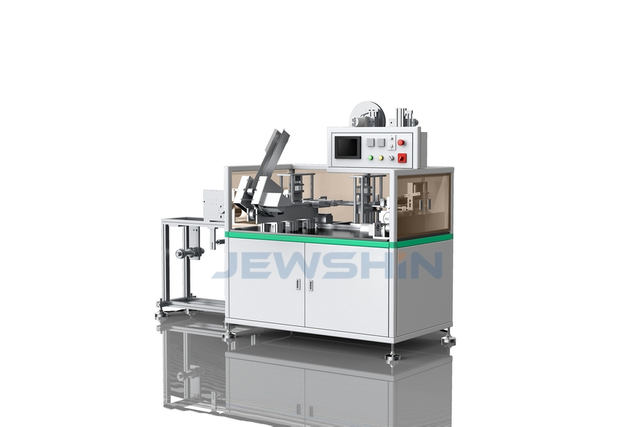
A direct packaging machinery manufacturer gives factories better access to original engineering support, customized equipment design, and factory-level pricing. Compared with multi-layer supply channels, direct cooperation can reduce equipment procurement costs by around 10%–30% while improving communication speed, spare parts availability, and technical support. For global factories investing in EPS, food, medical, or industrial packaging lines, selecting a reliable automatic packaging machine supplier can influence production stability, maintenance efficiency, and long-term operating costs.
Global factories are increasingly choosing direct packaging machinery manufacturers because packaging equipment has become closely connected with daily production output. A machine is expected to operate continuously, maintain stable quality, and match specific product requirements. According to industry reports, the global packaging machinery market was valued at more than USD 50 billion in 2023 and is expected to grow at over 5% annually through 2030.
When factories purchase through distributors, communication usually passes through several layers before reaching the engineering department. A request about mold size, production speed, machine configuration, or automation functions may require additional confirmation time. For large projects, this process can extend preparation periods by several weeks.
Direct manufacturers allow factory teams to communicate with engineers who understand machine structures and production conditions. Technical discussions can include:
| Production Requirement | Manufacturer Support |
|---|---|
| Product size changes | Machine structure adjustment |
| Higher output demand | Production speed optimization |
| Different materials | Parameter adjustment |
| Factory layout limits | Equipment customization |
| Future expansion | Upgrade planning |
This direct communication reduces misunderstandings during equipment selection and installation. A 2022 manufacturing survey showed that more than 60% of industrial buyers considered technical communication speed an important factor when selecting machinery suppliers.
Cost control is another reason factories prefer direct cooperation. Packaging machinery prices include manufacturing costs, components, engineering labor, and supplier margins. When several companies participate in the supply chain, additional service fees and profit margins are often added.
For example, a complete automated packaging line with a project cost of USD 300,000 may experience a 15% price difference between direct factory purchasing and multi-level purchasing channels. The difference of USD 45,000 can be used for additional automation equipment, spare parts storage, or production upgrades.
Direct purchasing does not only focus on lower prices. Many factories evaluate the total operating cost over 5–10 years. Equipment reliability, maintenance frequency, energy consumption, and technical support often influence the total expense more than the initial purchase price.
A direct packaging machinery manufacturer usually controls more stages of production, including mechanical design, component selection, assembly, testing, and quality inspection. This production control helps maintain consistency between different machine units.
“Factories need equipment that matches their products and production environment, not only a standard machine model from a catalog.”
Customization is another major reason for working directly with manufacturers. Different factories may produce similar products but require different equipment settings because of variations in product dimensions, materials, output targets, and workspace conditions.
For EPS packaging production, for example, factories may require adjustments in mold compatibility, steam control, cooling cycles, automatic feeding, or robotic handling systems. A direct manufacturer can modify these details based on actual production data.
Many global buyers now search for an automatic packaging machine supplier that can provide both standard machines and customized solutions. This approach helps factories avoid replacing equipment when production requirements change.
The installation stage also benefits from direct manufacturer involvement. Packaging machinery often requires accurate setup of mechanical parts, electrical systems, software parameters, and production testing. Incorrect installation may reduce machine performance or increase maintenance requirements.
A manufacturer’s engineering team usually has access to original drawings, operating parameters, and component information. This allows faster problem identification during commissioning. For factories operating 16–24 hours per day, reducing installation delays by even a few days can prevent significant production losses.
After-sales support is another area where direct manufacturers provide advantages. Industrial packaging equipment may remain in service for more than 10 years, making long-term technical support important.
A reliable manufacturer can provide:
-
Remote technical assistance
-
Original spare parts supply
-
Maintenance recommendations
-
Operator training
-
Equipment upgrade suggestions
According to industrial equipment service studies published in recent years, machine downtime can account for 5%–20% of production losses in manufacturing environments. Faster technical response helps factories maintain stable production schedules.
Technology development has also changed how factories select machinery suppliers. Modern packaging equipment increasingly includes automated controls, sensors, energy-saving systems, and digital monitoring functions.
Direct manufacturers usually participate in equipment improvement because they collect feedback from different customers and understand common production requirements. This allows them to update machine designs more efficiently.
For example, improvements in packaging automation between 2018 and 2025 have included better motion control systems, reduced energy consumption, and higher levels of automatic operation. Some upgraded systems can reduce manual handling requirements by more than 30%.
Supplier experience in international markets is also important. Factories operating in different countries may have different requirements for electrical standards, safety certifications, production environments, and operator training.
Manufacturers with export experience usually understand these requirements better because they have worked with different industrial conditions. This helps reduce communication problems during equipment delivery and installation.
Direct cooperation also supports long-term factory planning. A manufacturer that understands a customer’s current production line can recommend suitable expansion options when output requirements increase.
For example, a factory may initially purchase a single packaging machine and later add automatic feeding systems, additional molds, or complete production lines. Working with the original manufacturer makes future expansion easier because technical information and equipment compatibility are already available.
| Supplier Type | Direct Manufacturer | Trading Channel |
|---|---|---|
| Technical communication | Direct with engineers | Through intermediaries |
| Custom design | Usually available | Limited |
| Spare parts access | Original source | Additional coordination |
| Machine knowledge | Full design knowledge | Product-level knowledge |
| Long-term support | Manufacturer-based | Depends on supplier |
Factory managers are also paying more attention to equipment lifecycle management. A machine purchased in 2026 may still operate in 2036, so supplier reliability becomes part of production planning.
A direct manufacturer can provide updated technical information, replacement recommendations, and maintenance guidance throughout the equipment lifecycle. This support helps factories maintain consistent production quality as market requirements change.
The preference for direct packaging machinery manufacturers is growing because factories need closer cooperation with equipment producers. Lower purchasing complexity, faster technical communication, customization options, and long-term service support make direct manufacturers a practical choice for companies operating modern production facilities.
As packaging industries continue adopting automation and higher production standards, factories that cooperate directly with experienced machinery manufacturers can build more stable and adaptable production systems.